

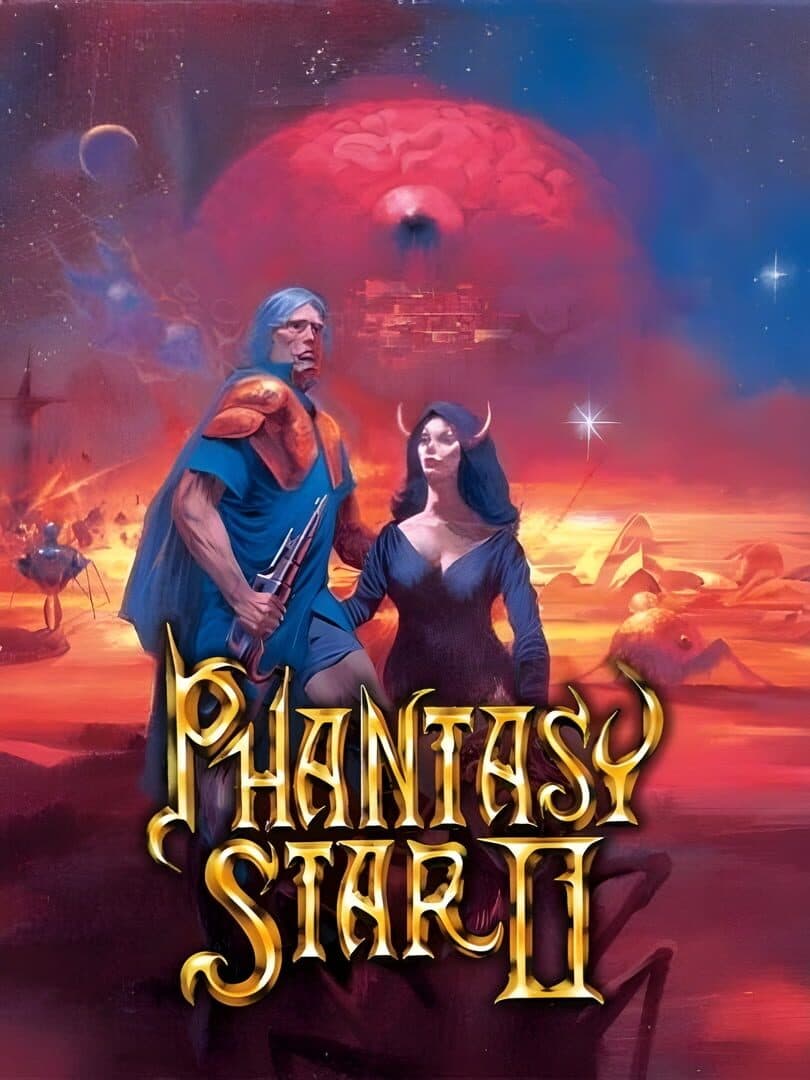
Phantasy Star II
Action
Fantasy
Science fiction
Role-playing (RPG)
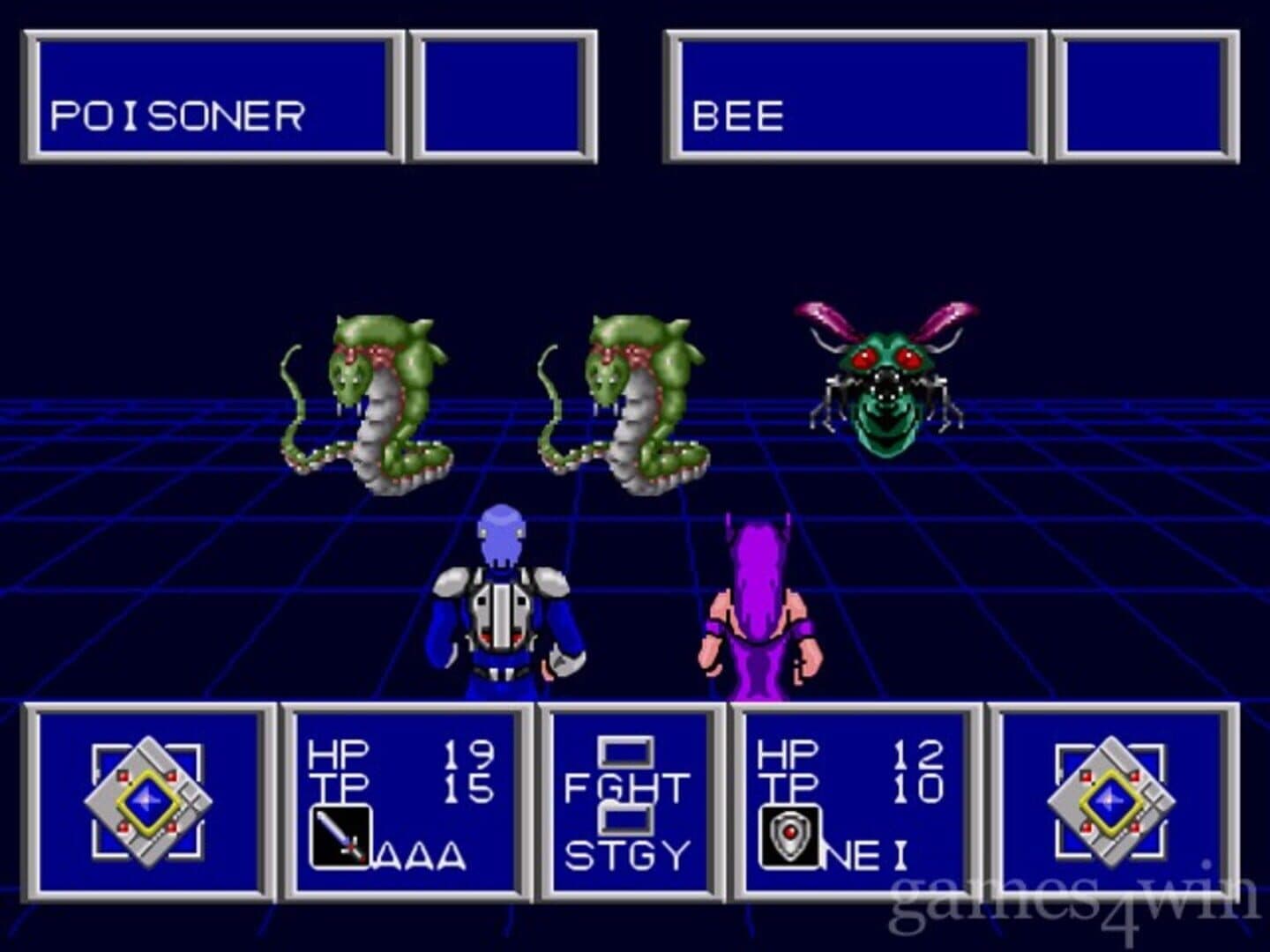
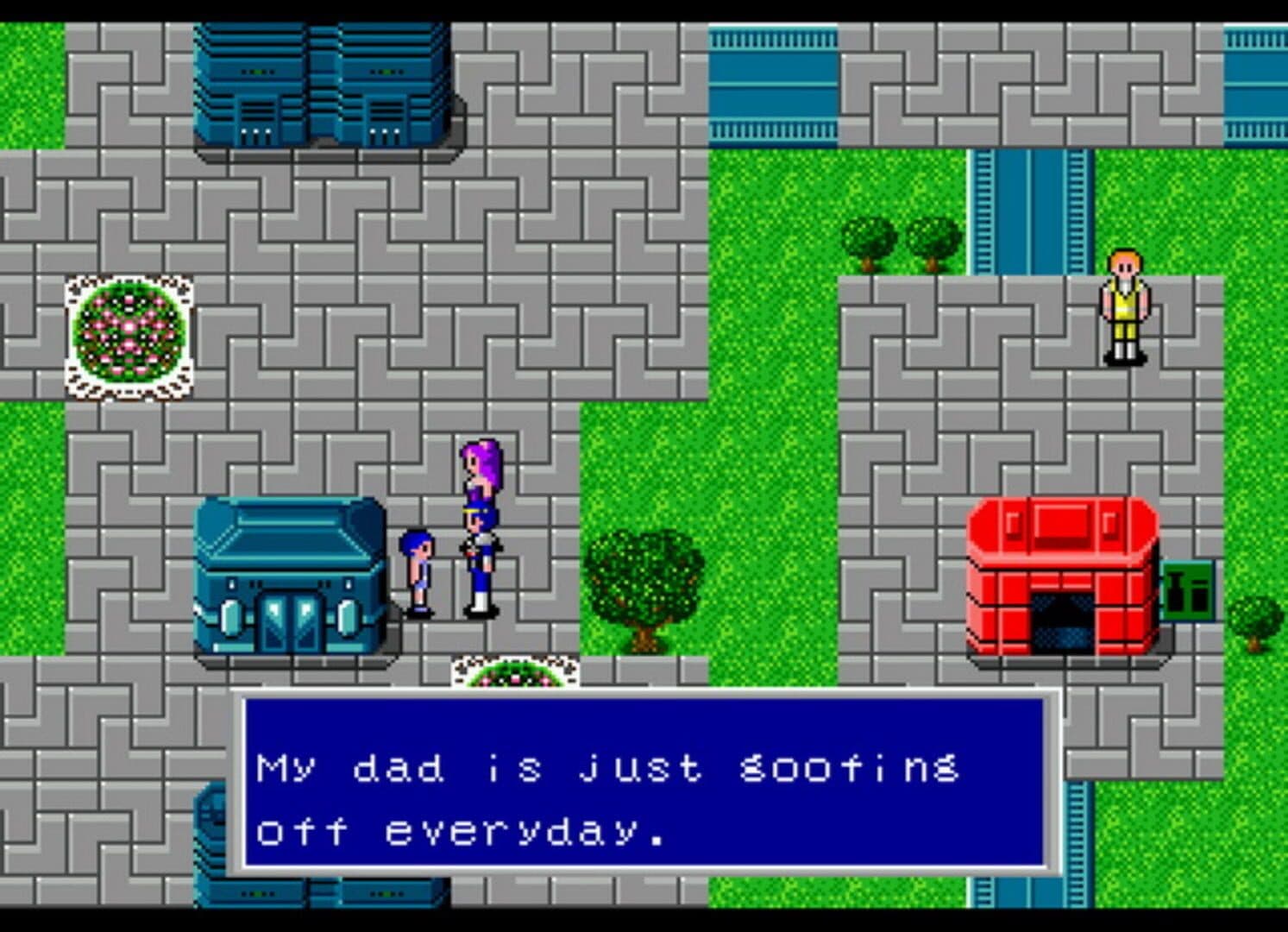
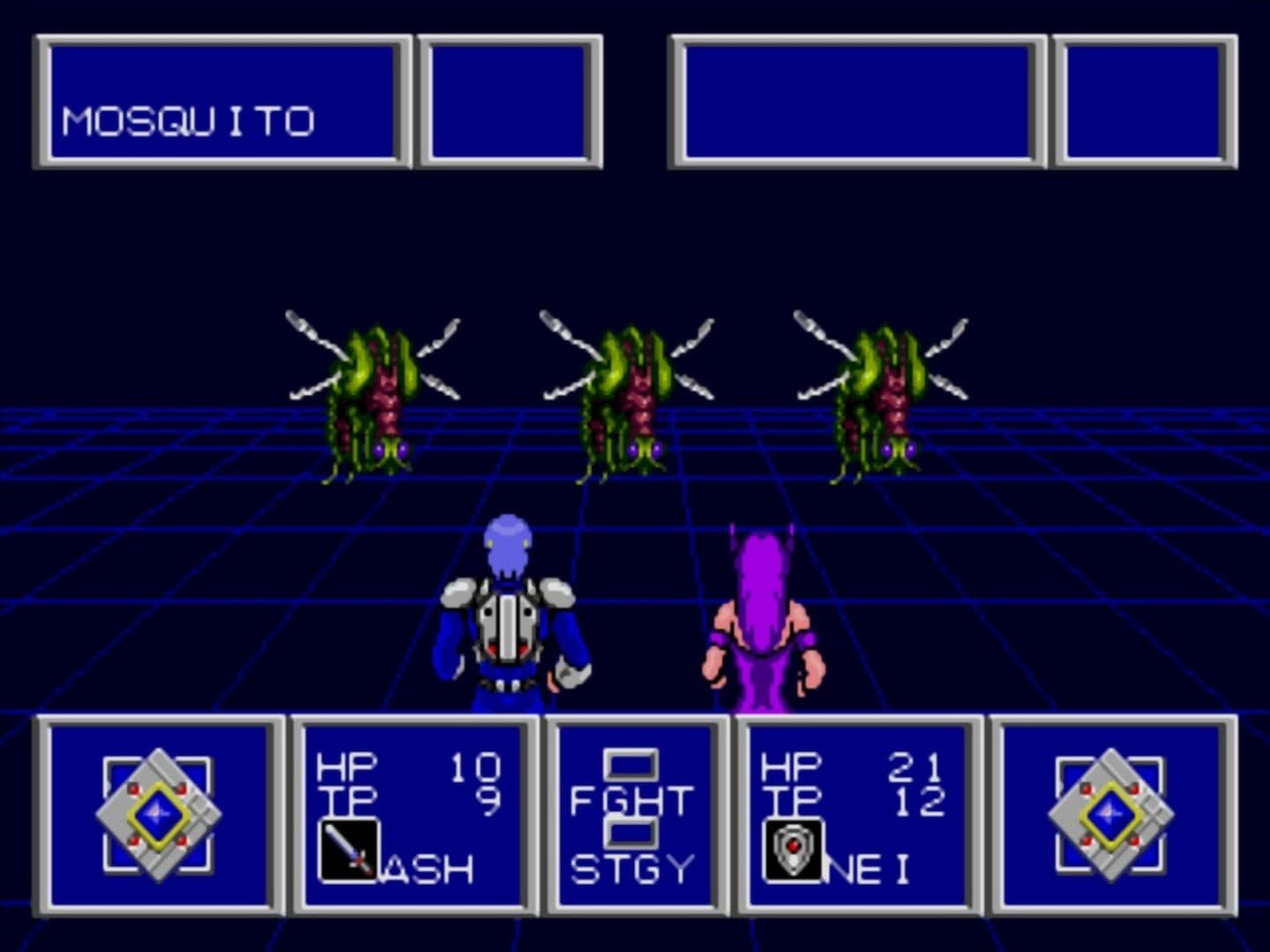
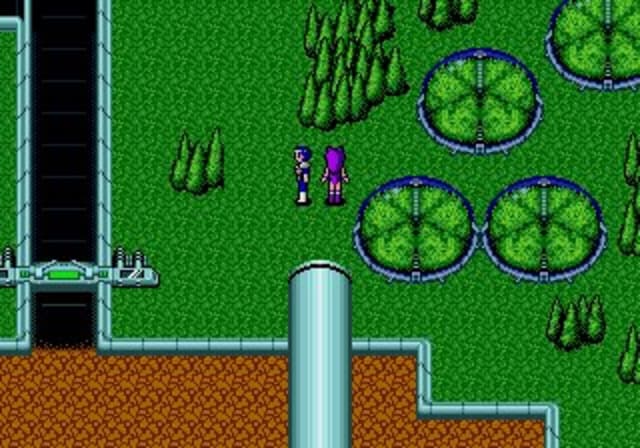
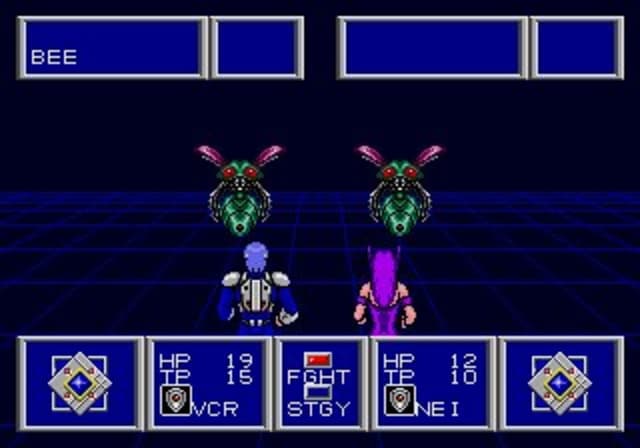
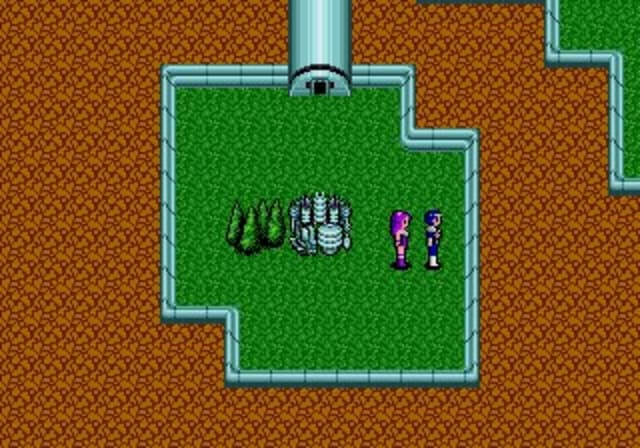
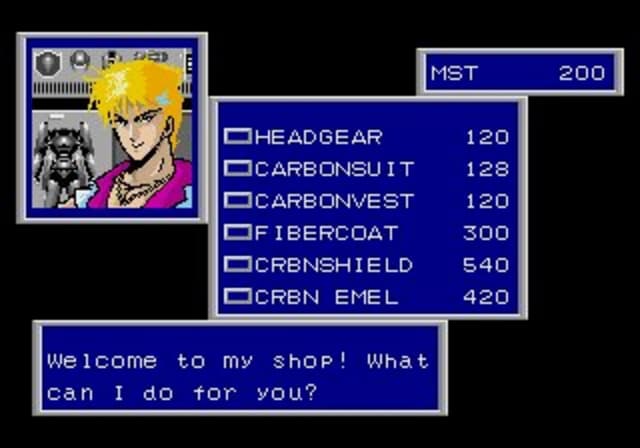
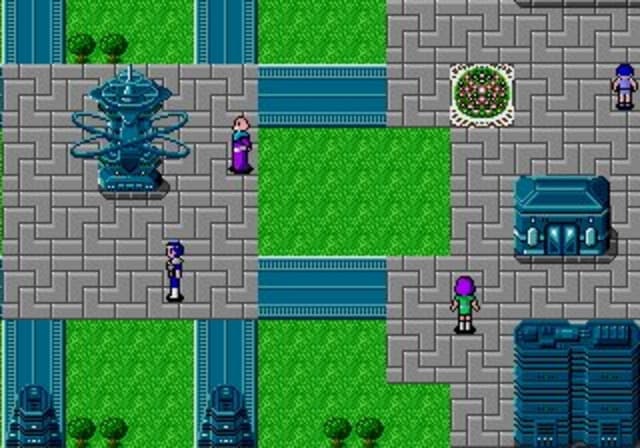
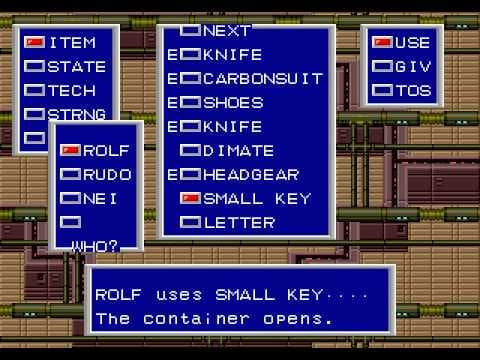
Gameplay is similar to the original Phantasy Star, the first game in the series. Its battle system is turn-based, allowing the player to choose commands for their party of up to four characters. Each of the eight characters has a different set of preferred weapons and armor, as well as techniques, suited to the character's job. The player must defeat enemies in the overworld and in dungeons to advance in the game. The game abandoned the first-person view that the first game used for dungeons and battles. Phantasy Star II instead uses a top-down perspective for exploration and a third-person view in battles.
21 Mar, 1989
18 Jun, 2026
About this game
Gameplay is similar to the original Phantasy Star, the first game in the series. Its battle system is turn-based, allowing the player to choose commands for their party of up to four characters. Each of the eight characters has a different set of preferred weapons and armor, as well as techniques, suited to the character's job. The player must defeat enemies in the overworld and in dungeons to advance in the game. The game abandoned the first-person view that the first game used for dungeons an...
Show moreStoryline
Somewhere deep within the Andromeda Galaxy lies the Algol Star System. The parent star, Algol (referred to as "Algo" by this point in the timeline), has three planets orbiting about it. First is Palm ("Palma"), the home of the government. Governors, treasurers, and great thinkers dwell here in great ivory towers, away from the hubbub of everyday life. Next is Mota ("Motavia"), the shining jewel. Once a dry desert planet infested with ant lions, Mota has been transformed into a blue and green tro...
Show moreScreenshots
Details

Platforms:
PC (Microsoft Windows), Mac

Release Date:
21 Mar, 1989

Modes:
Single player

Themes:
Action, Fantasy, Science fiction

Genres:
Role-playing (RPG)

Player Perspectives:
Third person, Bird view / Isometric

IGDB Website:
IGDB Rating

3.8
User Rating

27
User Rating Count

76%
Rating %
Critics Rating
3.8
Critics Rating
27
Critics Rating Count
76%
Critics Rating %

Main Developers
Sega R&D 2

Supporting Developers
-

Publishers
Sega
Sega Enterprises, Ltd.
Tec Toy
Videos
Similar Games
Rogue Galaxy
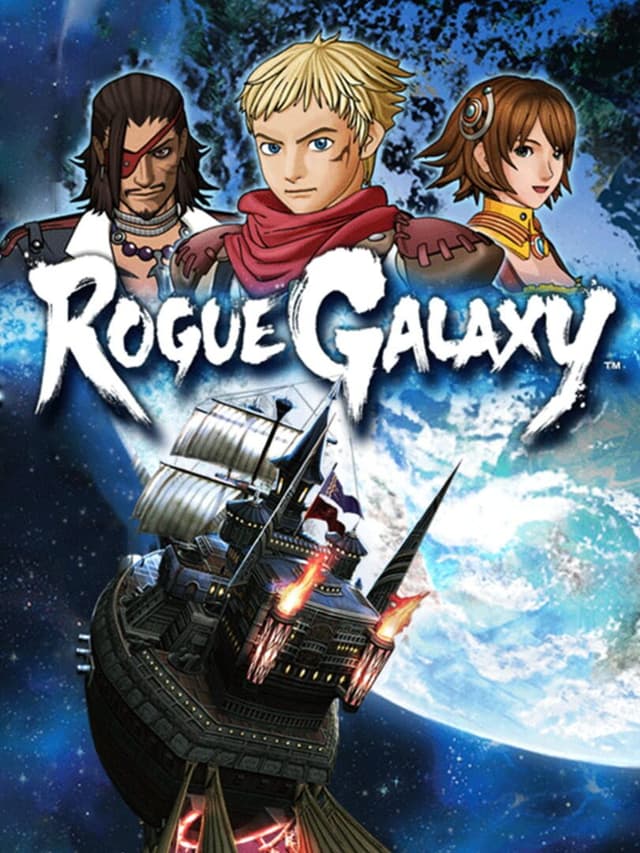
Rogue Galaxy is an action role playing game set in a futuristic fantasy universe, in which the player moves through a continuous environment with no load time between overworld exploration and battles. Battles occur as random encounters, Rogue Galaxy uses a real-time hack and slash combat system in which the player fights with a party of three characters. The player has direct control over only one character, although they can change which character that is at any time. The two NPCs fight independently of the player character, based on a strategy selected prior to the battle. Available strategies include fighting especially aggressively, targeting a specific enemy or not fighting at all. The strategy can also be changed at any time during the battle. Additionally, the player can issue specific orders to the NPCs during combat, such as having them use an item or activate one of their special abilities.
Persona 5
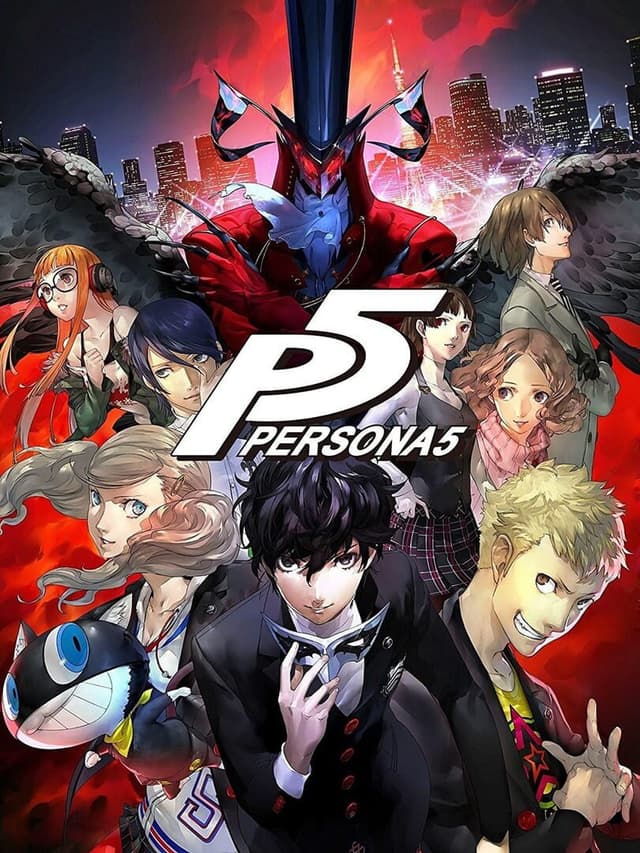
The story focuses on the 16-year-old protagonist after he is transferred to Syujin High School in Tokyo, Japan. Staying with friends of his parents, he meets up with problem child Ryuji Sakamoto, the withdrawn Ann Takamaki, art student Yusuke Kitagawa, and a talking, shape-shifting cat-like creature known as Morgana. During the protagonist's time there, feeling suppressed by their environment, the five form a group known as the "Phantom Thieves of Hearts", working together to explore the "Palace", a castle created by the hearts of people, and steal ill intent from others' hearts to help them: during this quest, they confront adult authority figures opposing them, along with a greater enemy revealed by their activities.
Breath of Fire IV
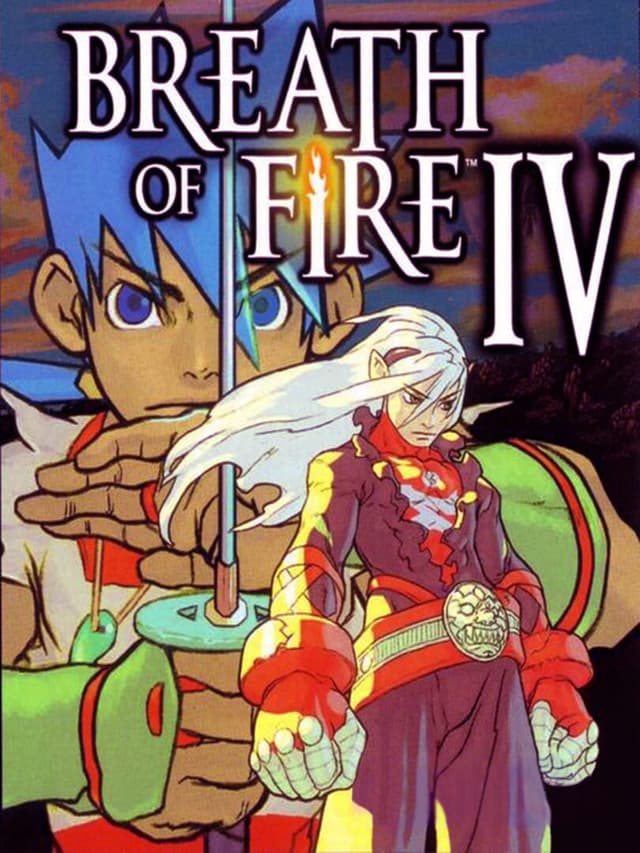
In a far-away world, two continents float, separated by a vast swamp-land. For eons, no contact existed between the two continents because ships couldn’t sail across the expanse. At last, when the historic first contact was made between the two powers, war erupted! After long and costly fighting between the Fou Empire in the west and an alliance of countries in the east, both sides exhausted all their strength and resources. With no other alternative, the two powers agreed to an armistice. One year later, Princess Elina vanished. She had been traveling in the east from town to town, exploring battlegrounds and visiting war veterans. Her trail vanished in a small town near the front line. Nobody knew her whereabouts! The Eastern Alliance wanted to avoid sending a large army to the front. Such a move would be a political blunder, breaking the armistice and stirring up hostilities. It became impossible to carry out a large-scale search for Elina. Time passed... with no sign of the princess. Elina’s sister, Princess Nina, finally makes up her mind. She leaves on a journey in search of her sister – by herself.
Phantasy Star Universe
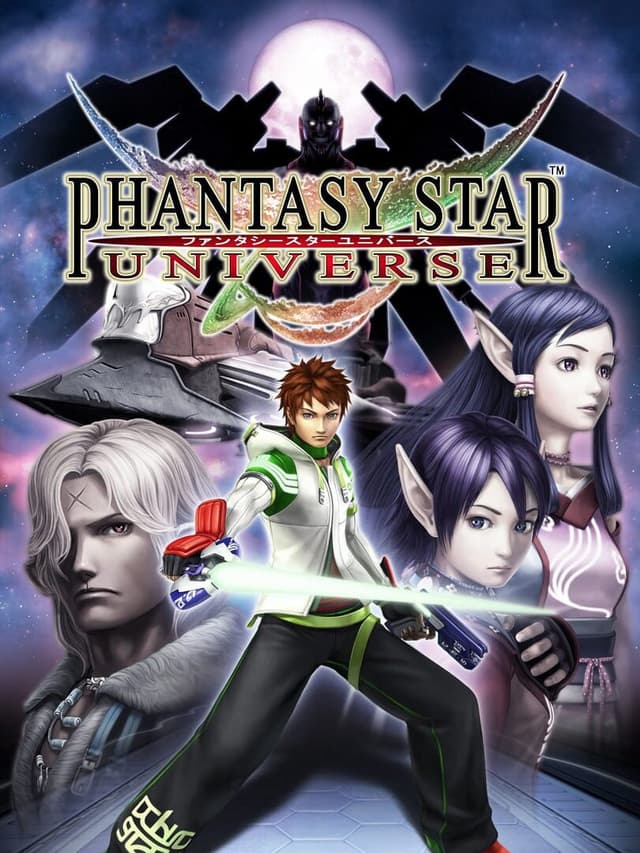
Ethan Waber, the main character, and his little sister, Lumia Waber, are at the celebration of the 100th year anniversary of the Alliance Space Fleet on the GUARDIANS Space station. The celebration is interrupted when a mysterious meteor shower almost destroys the entire fleet. During evacuation, Ethan and Lumia split off of the main evacuation route and collapsing rubble separates Lumia from Ethan. Ethan then meets up with a GUARDIAN named Leo, but they are attacked by a strange creature. The creature paralyzes Leo and Ethan takes his handgun and kills the creature. Leo then tells Ethan to find his sister and that a rescue team is on the way.
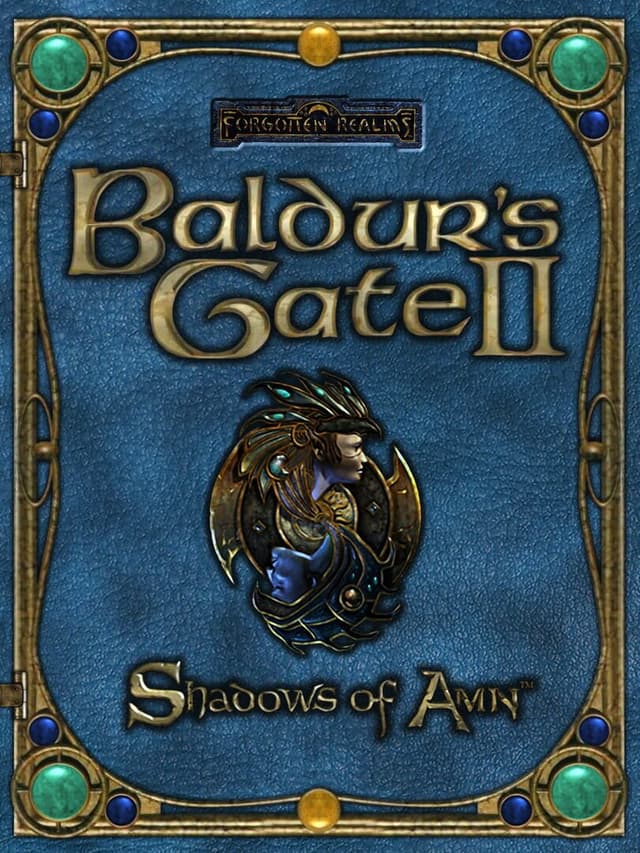
Baldur's Gate II: Shadows of Amn
Some time after the events described in Baldur's Gate, the protagonist and his friends Imoen, Minsc and Jaheira have been captured by an elven mage called Jon Irenicus. His intentions and connection to the heroes unknown, Irenicus conducts experiments on them, holding them in cages somewhere in his vast underground complex. During his absence, the heroes manage to escape, and soon find themselves in the city of Athkatla in the country of Amn, where they confront Irenicus. However, at that moment several wizards arrive and arrest both Irenicus and Imoen for unlicensed use of magic. The first task at hand is to raise the money needed to rescue Imoen, before facing Irenicus again and unraveling his true goals. Baldur's Gate II: Shadows of Amn is a party-based role-playing game using the AD&D rules. The basic gameplay is similar to that of its predecessor: the player navigates a party of up to six active combatants over isometric environments, conversing with non-playable characters using branching dialogue, and fighting enemies in real-time, free-movement combat that can be paused to issue specific orders to the characters. World traveling now occurs by selecting locations on a map rather than exploring wilderness areas to reach the destination. However, the game world is larger than in the previous game, with more individual locations to visit and side quests to perform. Being a direct sequel to Baldur's Gate, the game lets the player control stronger, higher-level characters from the onset. The main character can also be imported from the previous installment. Three new classes (sorcerer, monk, and barbarian) are available along with those that were present in the original game. Characters can also acquire specializations within most of the classes: a paladin, for instance, can become a dragon slayer or an inquisitor. Weapon proficiencies are more specific: for example, instead of just specializing in blades, the player can choose between proficiencies in long swords, two-handed swords, bastard swords, katanas and scimitars. There are many new types of weapons, armor, and magic spells in the sequel. Sixteen characters may join the party during the course of the story. Each of them has his or her own motivations, sometimes conflicting with those of other characters. Scripted events and interaction with playable as well as non-playable characters have been noticeably increased in the sequel. The main character can also romance some of the companions by choosing appropriate behavior and dialogue lines. The game allows the player to make many moral decisions and pursue character-specific side quests unrelated to the main story. Many of the companions bring their own quests, and unique tasks are available for the main character depending on his or her class.
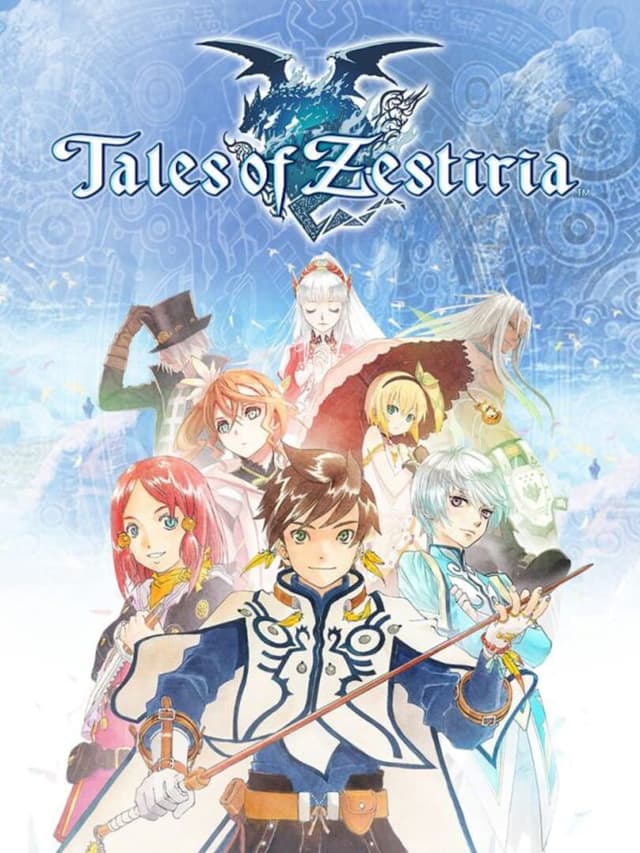
Tales of Zestiria
Tales of Zestiria is a Japanese role-playing game. It is the fifteenth main entry in the Tales series. As with previous entries in the Tales series, the game uses a variation of the action-based Linear Motion Battle System, with additional elements including a navigable open world, and the ability for certain characters to fuse into a single entity in battle to deliver powerful attacks. The story follows Sorey, a young man blessed with powers by a mystical spirit race known as the Seraphim who act as a stabilizing force in the land, as he travels to free the land of Glenwood from the threat of the Hellion, creatures spawned by negative emotions.
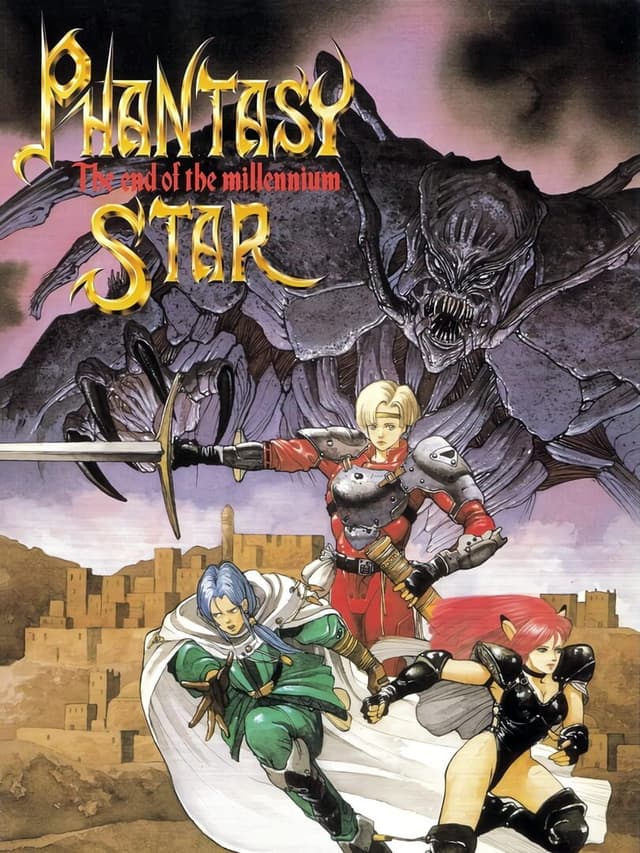
Phantasy Star IV: The End of the Millennium
Phantasy Star IV takes place 1,000 years after the events of Phantasy Star II. After an event called the Great Collapse, much of the once-thriving planet Motavia has been reduced to desert, and life has become progressively more difficult for the planet's inhabitants. To make matters worse, there has been a marked increase in the numbers of the "biomonsters," a catch-all term for the strange and violent aberrations of Motavia's flora and fauna. Keeping these creatures under control is the job of "hunters". During an investigation into such an outbreak, Chaz Ashley, a young hunter, learns of the relationship between the biomonster problem and the planet's ecological crisis. The planet is in the process of returning to its original desert state as the climate and biosphere-controlling devices installed over a thousand years previous begin to fail. The reasons behind the malfunctions are clarified as the plot unfolds, relating directly to the events of Phantasy Star II. Chaz and his allies connect the world's troubles to a cult leader called Zio, "The Black Magician," whose aims appear to be total annihilation, not only of Motavia, but of the whole Algol solar system. The heroes stop Zio in order to restore the computer systems maintaining Motavia. However, it soon becomes clear that Zio is merely the vanguard to a much larger enemy, long buried in the past. The secrets of the Algol star system are revealed as Chaz and company discover both the nature of the threat to their worlds as well as the safeguards placed in a time long forgotten.